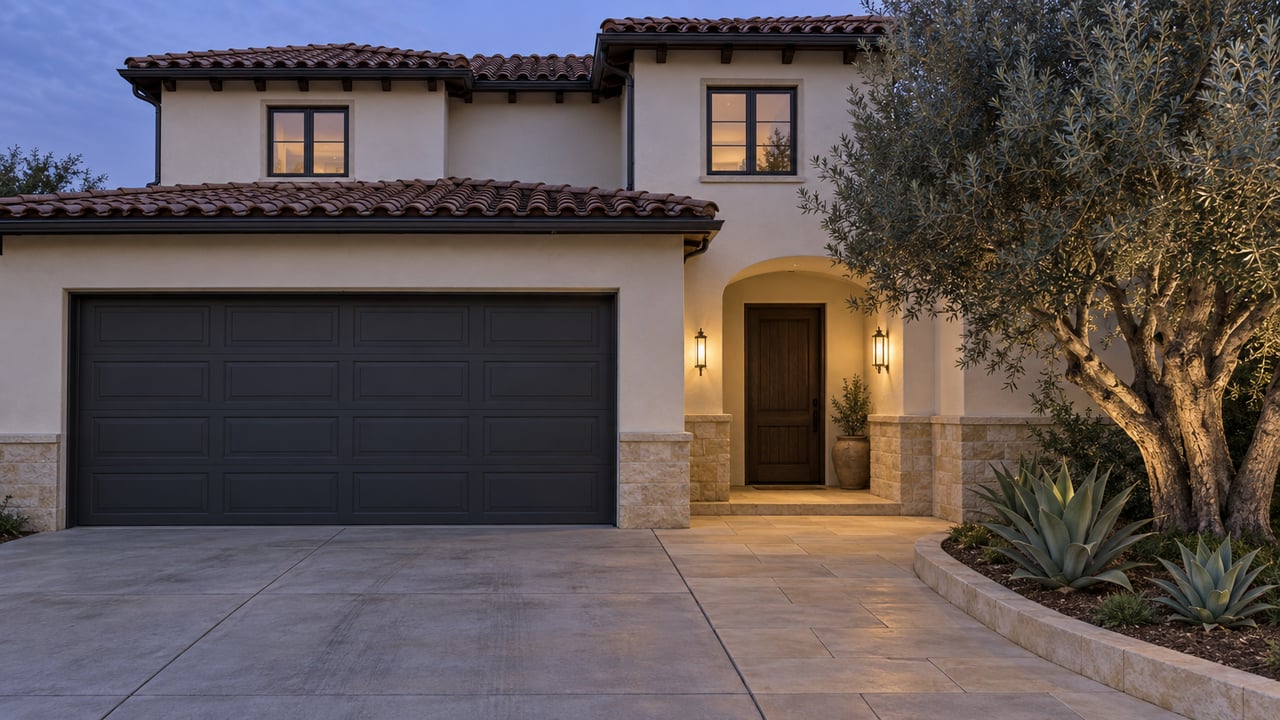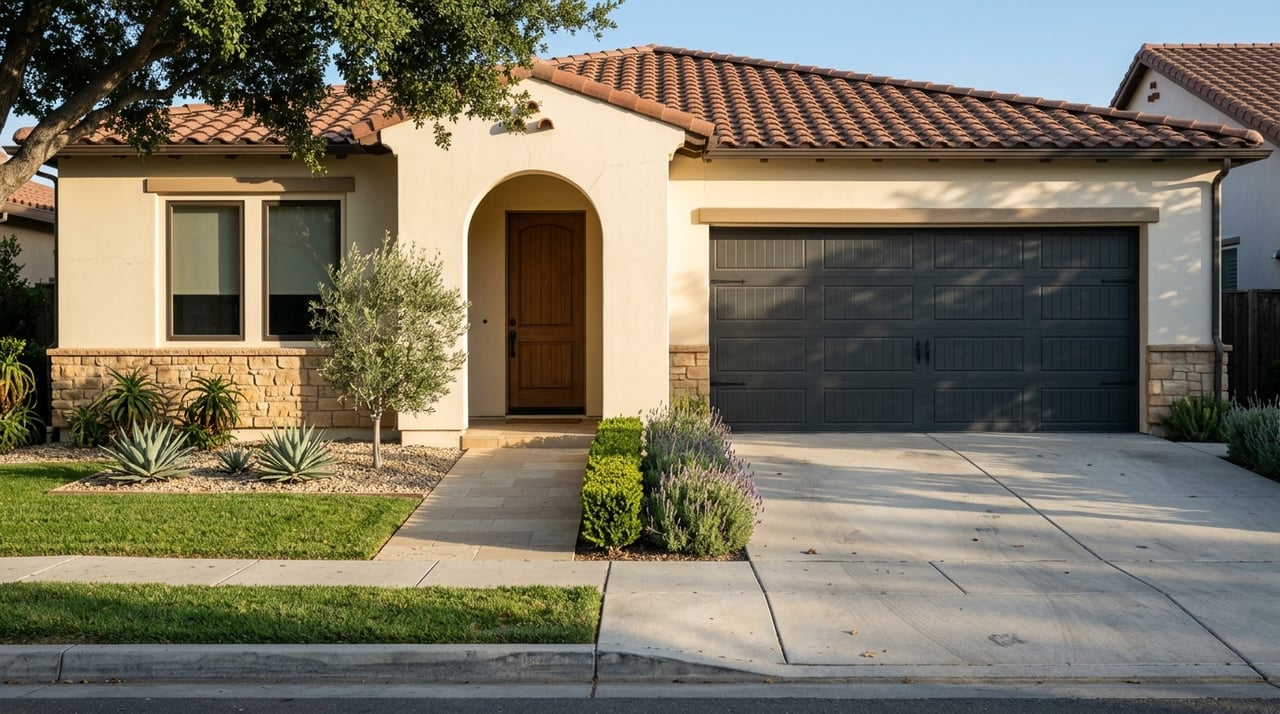
Trying to choose between a newer neighborhood and an established one in Lake Forest? That decision can shape everything from your monthly costs to your maintenance checklist to how the street feels day to day. If you are comparing communities in 92630, this guide will help you understand the real tradeoffs so you can focus on the homes and neighborhoods that fit your lifestyle best. Let’s dive in.
Newer and Established Mean Different Things
In Lake Forest, “newer” usually refers to master-planned communities developed in the 2010s and 2020s, such as Baker Ranch, Serrano Summit, and Portola Center. These neighborhoods were approved well after the city’s 1991 incorporation and were planned with coordinated infrastructure, open space, and community amenities in mind.
“Established” generally refers to older tracts and corridors built earlier within Lake Forest’s planned-community framework. The city notes that fewer than 1,000 housing units were built before 1970, but it also reports that more than 60% of housing units are now older than 30 years. Areas along El Toro and Muirlands are identified by the city as among the oldest parts of the community.
How the Neighborhood Feel Differs
One of the biggest differences is how consistent the neighborhood looks and feels. Newer enclaves tend to feel more coordinated because their plans emphasize walkability, landscape standards, open space, and a mix of housing types.
That often creates a polished, contemporary feel from one block to the next. In neighborhoods like Baker Ranch, Serrano Summit, and Portola Center, the planning documents point to a more intentional layout built around parks, trails, and shared amenities.
Established neighborhoods usually feel more varied. Because they were built earlier and many residential areas have remained largely unchanged over time, you are more likely to see differences in floor plans, setbacks, landscaping, and remodel quality from one street or tract to another.
For some buyers, that variation is a plus. You may find more individuality, more mature trees and landscaping, and homes that have been updated in very different ways over the years.
What You May Find in Newer Communities
If you are drawn to move-in-ready living, newer communities often check a lot of boxes. They tend to offer a more planned lifestyle with shared amenities, common-area upkeep, and a stronger sense of design continuity.
Baker Ranch at a Glance
Lake Forest describes Baker Ranch as a 387-acre master-planned community approved in 2010 for up to 2,379 homes, commercial space, parks, open space, and related infrastructure. The community site currently describes 1,750 homes and condominiums, seven parks, three private pool facilities, and two tennis courts.
Baker Ranch also shows how a newer HOA structure can work. Its association states that monthly assessments help fund operating expenses and reserve funds, along with maintenance for common-area landscape, irrigation, lighting, pools, spas, buildings, and other shared items.
Serrano Summit at a Glance
Serrano Summit is described by the city as an approximately 98.9-acre area planned around human-scale neighborhoods, walking, open space, and a civic-center component. The city’s launch announcement also said the community would offer six new home collections and no Mello-Roos.
That is an important reminder that not every newer community has the same cost structure. Two neighborhoods may both be new, but their taxes, association setup, and amenity package can still differ in meaningful ways.
Portola Center at a Glance
Portola Center is a nearly 195-acre project planned for 926 homes, a 5-acre public park, new trails, three private neighborhood parks, and more than 44 acres of open space. The plan also includes a 1.5-mile perimeter trail.
Its development agreement includes provisions for Community Facilities Districts, which are commonly associated with Mello-Roos-style special taxes. For buyers, that means it is smart to look beyond the age of the home and confirm the actual monthly and annual ownership costs for a specific property.
What You May Find in Established Areas
Established neighborhoods in Lake Forest often appeal to buyers who value lot character, mature surroundings, and a wider range of home conditions and styles. These areas may not feel as uniform, but they can offer a different kind of appeal.
Because much of the older housing stock has aged past the 30-year mark, the condition of one home can be very different from the next. You may see fully remodeled properties, partially updated homes, and homes that still reflect their original finishes.
That creates both opportunity and homework. If you are open to updating a home over time, established neighborhoods can offer options that feel less standardized than newer master-planned communities.
HOA, Taxes, and Ongoing Costs
Many buyers focus first on price and square footage, but the ownership structure matters just as much. In Lake Forest, newer neighborhoods often come with more extensive HOA oversight because there are more shared amenities and common areas to maintain.
That can be a real benefit if you want a more managed environment. It can also mean higher dues, depending on the tract and the scope of what the association maintains.
Special taxes can vary too. Serrano Summit was announced as having no Mello-Roos, while Portola Center planning documents include Community Facilities District provisions. The key takeaway is simple: do not assume all newer neighborhoods carry the same fee structure.
Established neighborhoods may have a different cost profile. In some cases, the tradeoff is lower association involvement but more direct responsibility for home upkeep and future repairs.
Maintenance Expectations Are Different
This is where the newer-versus-established choice becomes very practical. A newer home may offer more immediate convenience, while an older home may need a closer look at its major systems and past improvements.
For established homes, buyers should pay close attention to:
- Roof condition
- Exterior finishes
- Drainage
- HVAC systems
- Plumbing
- Prior permits for past work
That matters even more in a city where more than 60% of housing units are older than 30 years. The age of the home does not automatically mean problems, but it does mean condition and maintenance history deserve careful review.
Amenities and Daily Lifestyle
If amenities are high on your list, newer neighborhoods often stand out. Baker Ranch highlights private pools, parks, tennis courts, and association-managed common areas. Portola Center plans include parks, trails, recreation space, and open space, while Serrano Summit was designed around walking and human-scale neighborhood planning.
That said, Lake Forest also offers citywide amenities that support daily life across both newer and older areas. The city highlights the Sports Park & Recreation Center, The Clubhouse, and walking trails, so your lifestyle is not defined only by the tract you choose.
Parking is another detail worth checking carefully. The city notes that some residential areas are subject to permit parking restrictions, so it is best to verify parking rules by address instead of assuming they will be the same throughout a neighborhood.
Resale Considerations in Lake Forest
From a resale perspective, the tradeoff often comes down to turnkey convenience versus lot and location character. Newer communities are typically built around amenity packages and association-managed common areas, which can appeal to buyers who want ease and consistency.
Established neighborhoods often depend more on the specific home itself. Updates, layout, lot placement, maintenance history, and overall presentation can play a larger role because condition varies more from property to property.
If you are thinking long term, it helps to compare homes through a resale lens now. Ask yourself whether you would rather pay for a more polished, newer environment upfront or take on a home where value may be shaped more by future improvements and ongoing upkeep.
How to Compare Neighborhoods Smartly
The best way to compare newer and established neighborhoods in Lake Forest is to look beyond the listing photos. You want to understand not just what the home looks like today, but how the neighborhood functions over time.
Here are a few smart comparison points:
- HOA dues and what they cover
- Special-tax structure, if any
- Common-area amenities
- Parking restrictions by address
- Condition of major home systems
- Remodel quality and permit history
- Lot feel, landscaping, and street character
When you compare neighborhoods this way, the decision becomes clearer. You are not simply choosing between old and new. You are choosing the ownership experience that fits your priorities best.
If you want design-conscious guidance while comparing Lake Forest homes, Ayumi Real Estate offers thoughtful buyer representation tailored to your lifestyle, priorities, and long-term goals.
FAQs
What is considered a newer neighborhood in Lake Forest?
- In Lake Forest, newer neighborhoods generally refer to master-planned communities from the 2010s and 2020s, such as Baker Ranch, Serrano Summit, and Portola Center.
What is considered an established neighborhood in Lake Forest?
- Established neighborhoods usually refer to older tracts and corridors built earlier in the city’s planned-community history, including older areas along El Toro and Muirlands.
Do newer Lake Forest neighborhoods always have Mello-Roos?
- No. The research shows Serrano Summit was announced with no Mello-Roos, while Portola Center includes provisions for Community Facilities Districts, so the structure varies by community.
Are older homes in Lake Forest harder to maintain?
- Older homes may require closer review because the city reports that more than 60% of Lake Forest housing units are older than 30 years. Buyers should pay close attention to major systems, exterior condition, drainage, and prior permits.
Do established Lake Forest neighborhoods have fewer amenities?
- Newer master-planned communities often have more tract-specific shared amenities, but residents in both newer and established areas can also benefit from citywide amenities like the Sports Park & Recreation Center, The Clubhouse, and walking trails.
What should buyers compare besides price in Lake Forest neighborhoods?
- Buyers should compare HOA scope, special taxes, parking rules, home condition, remodel quality, and how much work a property may need after closing.