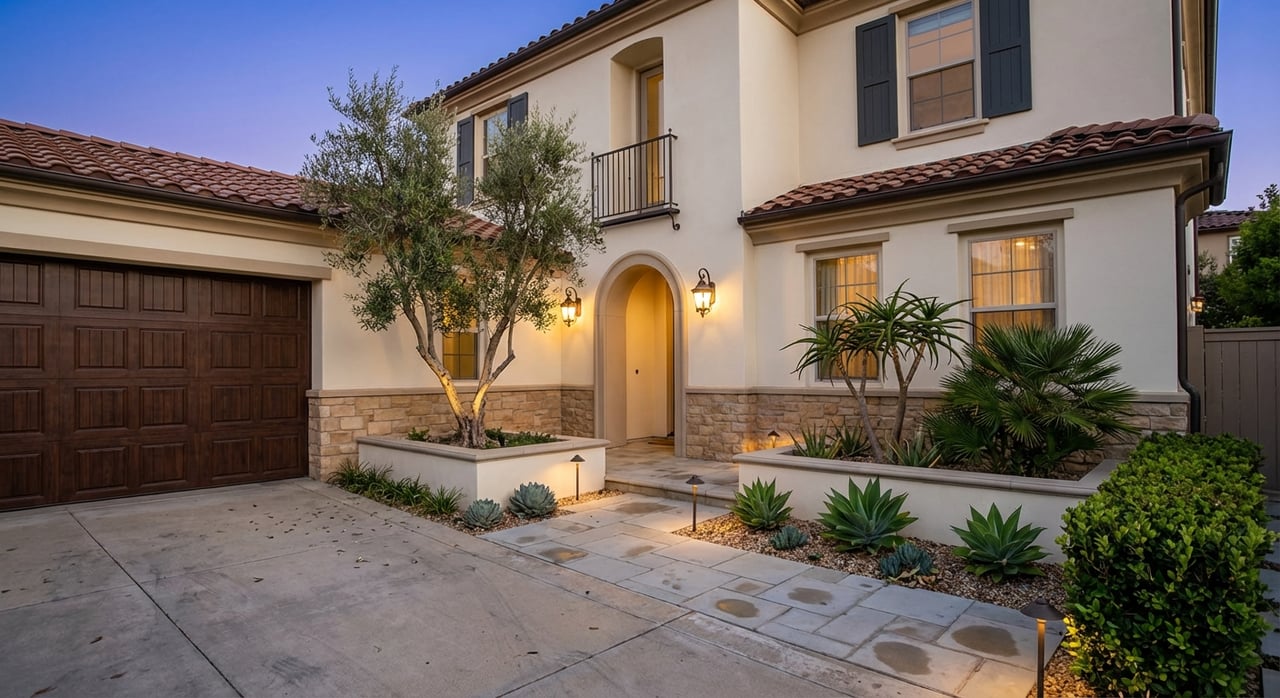
Craving a lock-and-leave beach retreat where you can land on Friday and be on the fairway or sand by sunset? If Newport Coast is on your radar, you are looking in the right place. You want the lifestyle, the privacy, and the ease, with clear answers on HOA rules, taxes, short-term rentals, and ongoing upkeep. This guide breaks down what matters most so you can buy confidently and enjoy your second home from day one. Let’s dive in.
Why Newport Coast fits second-home buyers
Newport Coast is a master-planned luxury community within Newport Beach composed of gated villages, custom estates, and the Crystal Cove coastal area and state park. The area is anchored by resort amenities, preserved open space, and convenient access to the coast and regional travel. It is designed for a high-comfort lifestyle that works well for part-time residents.
A major draw is the Resort at Pelican Hill with its world-class spa and Tom Fazio 36-hole golf complex. Nearby beaches and trails at Crystal Cove State Park, plus quick trips to Fashion Island and John Wayne Airport, make long weekends simple and memorable. Expect prices to reflect the luxury profile of zip 92657 and for individual properties to vary widely by view, village, and lot size.
For many buyers, the blend of gated privacy, resort access, and ease of maintenance makes Newport Coast ideal for a second-home base.
How HOAs and master associations work
Newport Coast often includes a master association that oversees shared amenities, along with village-level HOAs that govern their specific neighborhoods. Some homes are subject to both. Before you buy, confirm which associations apply to the property and what each one covers.
Master and village associations typically manage gates and security, clubhouses, pools and spas, sport courts, private parks, and trails. These are key lock-and-leave advantages, but they come with monthly assessments. Ask for current dues and whether any special assessments are planned or pending.
Request the full resale or disclosure package. At a minimum, review CC&Rs, bylaws, budgets and financials, the reserve study, insurance declarations for master and village policies, meeting minutes, violation histories, litigation disclosures, and detailed rental rules. For a quick reference on what a resale packet should contain, review guidance from association practitioners so you know what to expect in that delivery.
Community-association experts outline standard resale packet contents.
Taxes and special assessments to check
Beyond California’s base Proposition 13 tax, many parcels in newer master-planned communities carry special taxes through Community Facilities Districts, often called Mello-Roos or CFDs. These appear as separate line items on the Orange County property tax bill and can materially change your annual carrying cost.
Always pull the current secured tax bill before removing contingencies. If you see CFD or other direct levies, ask your escrow officer or the county to clarify how long each assessment runs and whether rates change over time. The County Treasurer-Tax Collector provides guidance and points of contact for questions.
Learn how Orange County lists special assessments on tax bills.
Short-term rentals and personal-use planning
If you plan to offset costs with rental income, get clarity early. In Newport Beach, renting for fewer than 30 days is allowed only in specific zones and requires a City Short-Term Lodging Permit and a business license. The city also imposes a Transient Occupancy Tax of 10 percent on short stays per current guidance.
Start with the city’s short-term lodging pages to confirm eligibility, permit caps, waitlists, and operating rules like noise, parking, trash, and the requirement to name a 24/7 local contact. The city maintains an address lookup so you can see whether a property is eligible or currently permitted. Remember that HOA CC&Rs can be stricter than the city. Even if the city would permit short-term rentals, a community’s rules may ban or limit them.
- Review the city’s program overview and permit steps: Newport Beach short-term lodging
- Understand operating rules and enforcement: Permit conditions and responsibilities
- Check an address for eligibility or an active permit: City address search tool
If rental income is central to your plan, ask both the HOA and the City to confirm policy and permit status in writing before you close.
Lock-and-leave operations and maintenance
A second home performs best when someone local is watching over it. Newport Coast has property managers who offer key holding, concierge arrivals, periodic inspections, vendor coordination, and cleaning between stays. If you will be remote, line up management during escrow so service starts on day one.
Budget for routine items like landscaping and irrigation, pool and spa service, HVAC servicing, water filtration maintenance, pest control, and seasonal system checks. Ocean air accelerates wear on metalwork, exterior finishes, and some pool equipment, so plan for more frequent upkeep compared with inland homes. Ask the seller for recent utility and maintenance invoices to build a realistic annual budget.
Standard homeowners policies usually exclude flood and earthquake. If your property sits in a coastal or low-lying area, you may need National Flood Insurance Program coverage or a private flood policy. Short-term rental use can change your insurance needs as well. Many owners increase liability limits or add short-term rental endorsements when they host.
- Check local insurance expectations for hosts: STR insurance and liability overview for Southern California
Coastal hazards deserve a long-view approach. Sea-level rise, storm surge, and bluff stability can influence insurance availability and resale. For screening, use NOAA’s Sea Level Rise Viewer and consult a coastal engineer for bluff-top or seawall properties.
- Visualize long-term coastal exposure: NOAA Sea Level Rise Viewer
Financing and structure for your second home
Lenders treat second homes and investment properties differently. If you intend to occupy the property part of the year without frequent rentals, your lender may classify it as a second home, which can offer more favorable terms than an investment property. If you plan to rent more actively, underwriting may shift to investment criteria with different pricing and reserve requirements.
Have your lender confirm classification up front and request written estimates for rates, loan-level price adjustments, and minimum down payments specific to your plan. International buyers should add a U.S. CPA and tax attorney to the team to discuss future sale withholding, rental-income reporting, and the need for an ITIN or a U.S. tax agent.
Due diligence checklist for Newport Coast buyers
Use this list to stay organized during contingencies:
Title and easements
- Preliminary title report, vesting, and all recorded easements and rights-of-way. In Crystal Cove areas, confirm any beach access or tunnel easements that affect the lot.
HOA governance and finances
- Full resale packet from each applicable association. Review CC&Rs, bylaws, budgets, financials, reserve studies, insurance summaries, meeting minutes for 12 to 24 months, planned special assessments, litigation disclosures, and rental policies. Resale packet guide
Taxes and assessments
- Current secured property tax bill and any supplemental notices. Identify direct levies and any CFD or Mello-Roos special taxes, then confirm details with the county if needed. Orange County tax guidance
Rental permissions
- City short-term lodging eligibility for the specific address, current permit or waitlist status, and written permit conditions if you plan to host. Check HOA CC&Rs for any rental restrictions that override city allowances. City STR overview
Flood and coastal risk
- FEMA flood map status and, if needed, an elevation certificate. Screen long-term sea-level scenarios with NOAA’s tool. NOAA Sea Level Rise Viewer
Physical inspections
- General home inspection, roof and structure review, pool and spa systems, mechanicals, and for waterfront or bluff lots, seawall, bulkhead, dock, or geotechnical assessments.
Insurance quotes
- Obtain quotes for homeowners, umbrella liability, flood, and earthquake while you can still adjust or cancel. Confirm whether STR use or HOA deductibles change your coverage needs.
Team and operations
- Identify a local property manager for inspections, guest support, and TOT compliance if hosting. Line up preferred service vendors for landscaping, pool, HVAC, and cleaning.
Financing and tax planning
- Lender pre-check for second home versus investment terms. For non-U.S. buyers, consult a CPA and tax attorney regarding U.S. reporting and future sale planning.
Budgeting the true cost of ownership
Create a simple worksheet so there are no surprises after closing. Include line items for HOA dues across master and village associations, property taxes plus any CFD or other special assessments, homeowners, flood, and earthquake insurance, and property management fees if you will be remote.
Add recurring maintenance like landscaping, pool and spa service, pest control, HVAC servicing, and periodic exterior maintenance to combat salt air. Include utilities, internet, and any smart-home subscriptions used for remote monitoring. If you plan to host short-term guests, add permit fees, the 10 percent Transient Occupancy Tax you collect and remit, and guest-turnover services.
Ask the seller to share recent utility and service bills during due diligence. Historic numbers help you refine the budget by season and by occupancy pattern.
Neighborhood fit and lifestyle planning
Each gated village and custom enclave has its own character, architecture, and amenity set. Proximity to the Resort at Pelican Hill often correlates with elevated expectations around design and finish levels, while Crystal Cove areas highlight beach access and trails. Your day-to-day plan matters. If you play golf, live near club access. If you prioritize hiking and the beach, focus closer to coastal trailheads.
Think through arrival routines and guest use. Parking, gate access, and distance to markets and dining affect how easy a weekend feels. For a smooth experience, set up door codes, garage openers, and parcel handling before your first stay so your second home truly functions as turn-key.
How Ayumi Real Estate supports your Newport Coast purchase
You deserve a partner who blends market mastery with a detail-first approach. Our boutique team pairs hands-on guidance with Coldwell Banker Global Luxury reach, so you get both personal service and broad exposure when it is time to sell. With design-led insights, disciplined negotiation, and multilingual support in English, Mandarin, and Cantonese, we help you secure the right home and set it up for effortless ownership.
From HOA due diligence to vendor introductions and STR compliance planning, we connect you with the right local experts and keep the process clear from offer to keys. Ready to talk specifics for your Newport Coast search? Start the conversation with Ayumi Real Estate.
FAQs
What makes Newport Coast ideal for a lock-and-leave second home?
- Gated villages, resort-level amenities near the Resort at Pelican Hill, and association-managed grounds reduce daily upkeep and support easy weekend use.
How do I confirm if a Newport Coast property allows short-term rentals?
- Check the City of Newport Beach short-term lodging pages for zoning and permit status, then verify HOA CC&Rs, since association rules can be more restrictive than the city.
What should I look for in an HOA resale packet before I buy?
- Review CC&Rs, bylaws, budgets, reserve study, insurance summaries, recent meeting minutes, special assessments, litigation disclosures, and all rental rules to avoid surprises.
How do Mello-Roos or CFD taxes affect my carrying cost?
- These special taxes are listed as separate levies on the Orange County tax bill and can significantly raise annual costs, so verify amounts and timelines before waiving contingencies.
Do I need special insurance for coastal or rental use in Newport Coast?
- Standard homeowners policies often exclude flood and earthquake, and hosting may require added liability or endorsements, so obtain quotes for all needed coverages during escrow.