Trying to choose between Old Town Tustin and Tustin Ranch? You are not alone. These two areas sit minutes apart but offer very different lifestyles, home types, and cost considerations. In this guide, you will see how they compare on architecture, lots, walkability, shopping and dining, commuting, HOAs, and special taxes so you can decide which side of Tustin fits you best. Let’s dive in.
Quick feel for each area
Old Town Tustin snapshot
Old Town Tustin is the city’s original downtown core along Main Street and El Camino Real. You will find preserved late‑19th and early‑20th‑century buildings, a small‑town main street scale, and regular community energy. The city highlights its history and sidewalk tours, making Old Town feel like a compact, mixed commercial–residential district rather than a modern tract. Explore the city’s overview of Old Town Tustin for context and a walking intro.
Tustin Ranch snapshot
Tustin Ranch is a master‑planned area shaped by 1980s‑and‑later annexations and development. You will see wide arterials, cul‑de‑sacs, greenbelts, planned neighborhood parks, and retail nodes designed into the community fabric. City planning documents describe this area as a planned community with coordinated commercial and recreational facilities. For a planning backdrop, see the city’s planning document on Tustin Ranch and annexations. As a lifestyle centerpiece, the Tustin Ranch Golf Club adds resort‑style visuals and recreation inside the neighborhood.
Homes and architecture
Age and style
- Old Town: You will find Victorian, Craftsman, and bungalow homes from the late 1800s and early 1900s, along with some mid‑century and infill. Floorplans can be quirky, footprints modest, and period details common. The city’s preservation focus shapes what exterior changes are allowed in the historic core.
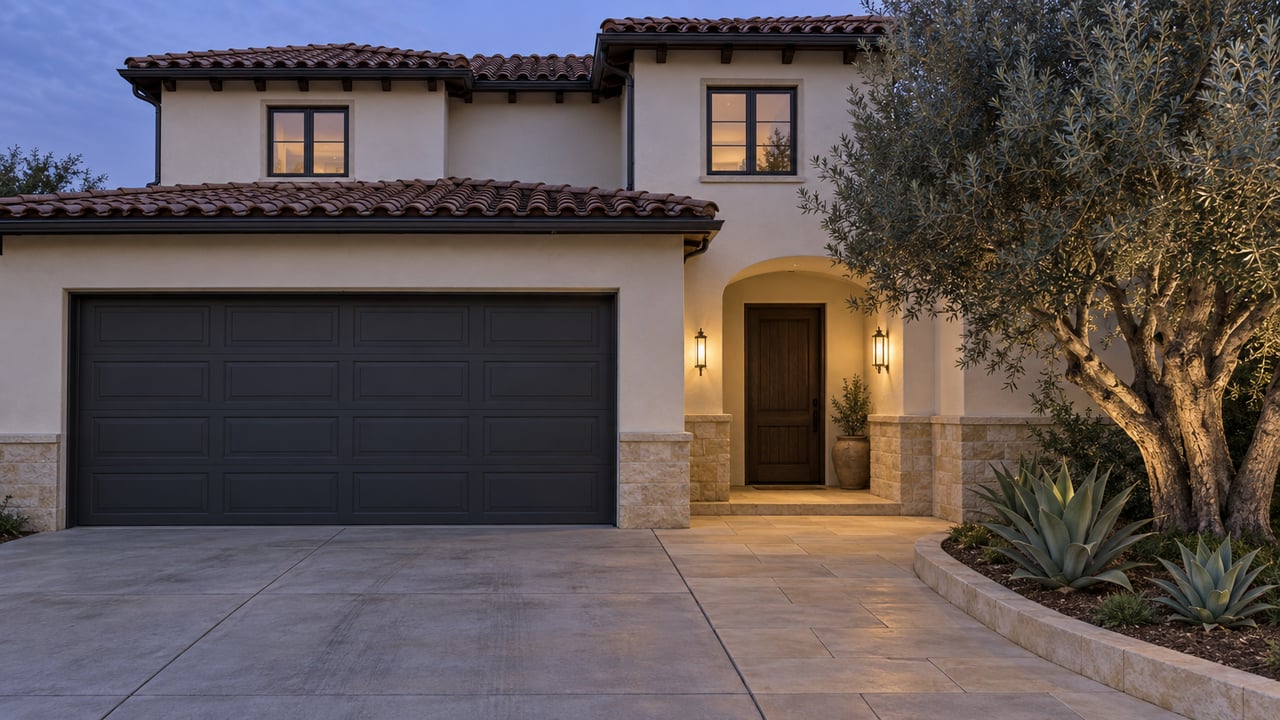
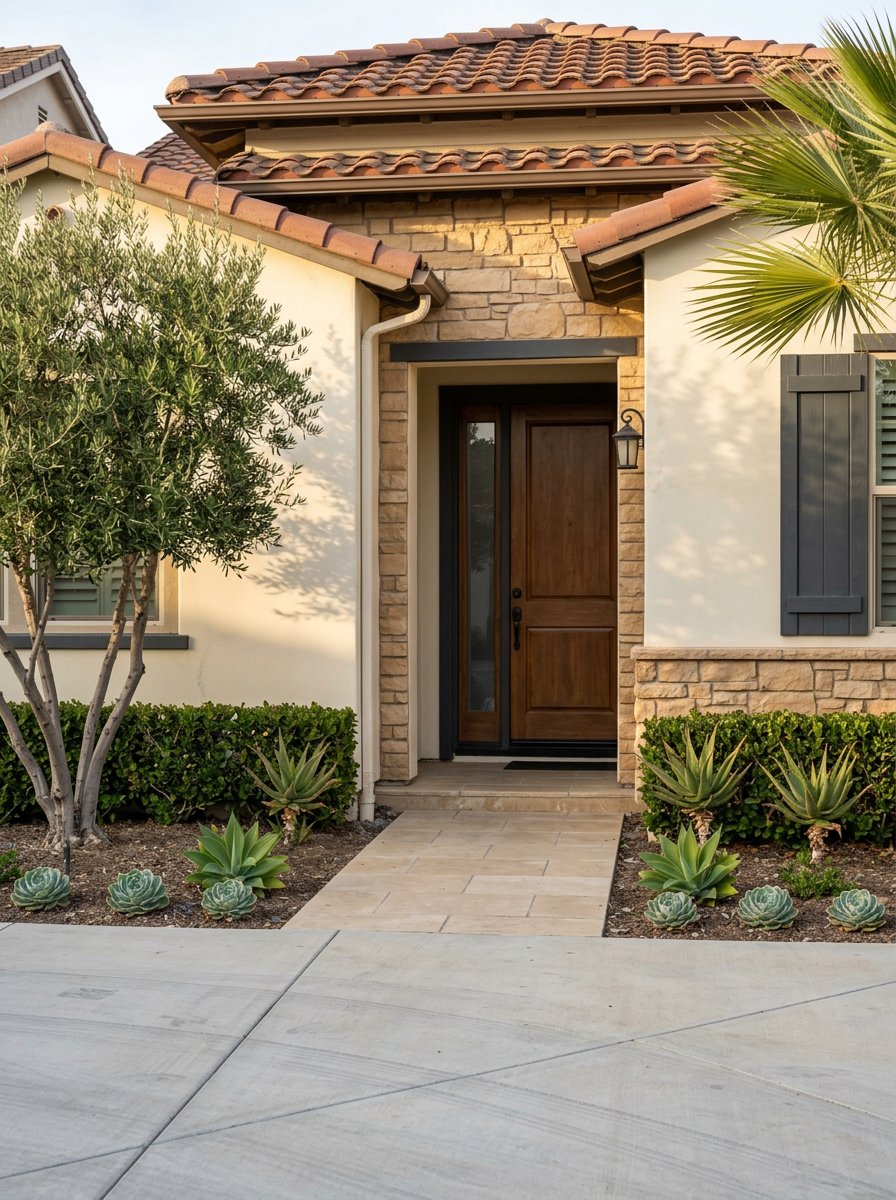
- Tustin Ranch: Homes are predominantly late‑20th‑century single‑family and attached residences from the 1980s and 1990s onward. Styles tend to be Mediterranean/Spanish and contemporary suburban, with more standardized layouts and modern amenities.
Lots and streets
- Old Town: A grid or near‑grid pattern offers smaller lots, shallower setbacks, and on‑street parking. The setting is naturally walkable and close to cafés and shops, with shorter private yards.
- Tustin Ranch: Many tracts have larger lots, cul‑de‑sacs, and gated enclaves. You will often see longer driveways, bigger private yards, and community amenities woven into the plan.
Renovations and oversight in Old Town
If you are eyeing a historic home, plan for potential preservation guidelines that can affect exterior alterations. The city’s Old Town page outlines the area’s historic context and resources for design review. Start with the City of Tustin’s Old Town guide to understand the considerations.
HOAs and Mello‑Roos
- HOAs: Many Tustin Ranch neighborhoods include homeowners’ associations that manage common areas, pools, greenbelts, and sometimes gated entries. In Old Town, most single‑family parcels do not sit in HOAs, though some nearby condo/townhome communities do (for example, “Vintage at Old Town”). Always confirm the property type and CCRs before you commit.
- Mello‑Roos/special taxes: Newer developments in and around Tustin Ranch often have Community Facilities District (CFD) special taxes on top of base property tax. These vary by parcel. Use the APN and county tax bill to verify exact amounts. You can begin your research on the Tustin Unified CFDs page at SpecialTaxInfo, then confirm with official county records during due diligence.
Daily life and amenities
Old Town dining and shops
Old Town’s everyday advantage is walkable local flavor. Along Main Street and El Camino Real, you will find independent restaurants, bakeries, antique shops, and community events clustered within a few blocks. For a sense of offerings and activities, browse the Old Town Tustin merchants’ site.
Tustin Ranch shopping and golf
Tustin Ranch sits close to some of the area’s strongest retail anchors. The open‑air Market Place brings national brands, dining, and entertainment to the northern/central part of Tustin. Newer convenience centers described by the city, such as The Village at Tustin Legacy, serve nearby neighborhoods with everyday retail. Golfers and social members value quick access to the Tustin Ranch Golf Club inside the community.
Parks and trails
Both sides of Tustin connect to parks and regional trail networks, with greenbelts and planned open space especially visible in Tustin Ranch’s master‑planned designs. The city’s Tustin Legacy planning materials outline how open space and neighborhood parks are integrated into newer areas.
Commute and access
Freeways and airport
Tustin is shaped by two major freeways, I‑5 and SR‑55, which provide primary regional links. Proximity to John Wayne Airport adds convenient flight access. To understand the city’s geography and transportation spine, see the City of Tustin overview.
Train options
Commuter rail is a real option for some residents. The Tustin Station at 2975 Edinger Ave. serves Metrolink’s Orange County and Inland Empire–Orange County lines and connects with OCTA buses. Details are on the official Metrolink Tustin Station page.
Typical travel times
As a citywide baseline, the U.S. Census reports a mean travel time to work for Tustin residents of roughly 22 to 23 minutes in the 2020–2024 window. See Census QuickFacts for the data. Your actual commute will depend on micro‑location and your destination.
Schools and assignment
Tustin is served by Tustin Unified School District, and assignments vary by specific address. For example, Arnold O. Beckman High is part of TUSD even though its street address is in Irvine. Always verify school assignment by exact property address with the district during your pre‑offer due diligence. A sample district report for context is the Beckman High School accountability report.
Market signals to expect
Citywide market snapshots in late 2024 to 2026 often place Tustin’s median sale price in the low‑to‑mid $1 million range, though figures shift month to month. Neighborhood‑level data can diverge based on sample size and product mix. For example, Realtor.com reporting in Oct 2025 showed Tustin Ranch medians around $1.6 million to $1.9 million depending on the metric, while some other aggregators in different timeframes showed Tustin Ranch medians closer to $1.0 million to $1.2 million. The spread reflects the mix of gated luxury enclaves and attached product plus fast‑moving conditions. For up‑to‑the‑minute comps, have your agent pull current MLS data as you shortlist specific addresses.
Which neighborhood fits you
- Old Town Tustin may fit you if you value historic character, a compact walkable center, and proximity to independent cafés and shops. You are comfortable with smaller lots, potential renovation work on older systems, and possible design review for exterior changes in the historic core.
- Tustin Ranch may fit you if you prefer planned‑community amenities like parks, pools, greenbelts, and golf, with larger private yards and more standardized, late‑20th‑century floorplans. You are comfortable with HOA rules and dues and understand that many parcels may include special tax obligations.
How to compare homes side by side
Use this simple plan to make a clear decision:
- Self‑identify your priorities. Is your top driver historic charm and walkability, or planned amenities and larger private space?
- Shortlist three addresses in each area. Compare them on layout, lot size, storage, and outdoor living potential.
- Verify HOAs, special taxes, and schools. Confirm HOA dues and what they cover, check any CFD/Mello‑Roos by APN and the county tax bill, and verify school assignment by exact address. Start your CFD research at SpecialTaxInfo’s TUSD page, then use official county records.
- Schedule paired tours at the same time of day. Feel the street rhythm, traffic, sun orientation, and parking.
Touring checklist
On every tour, ask and verify:
- Is the property in an HOA? What are current dues and what do they cover? Review CCRs and budgets.
- Is the parcel in a Community Facilities District with Mello‑Roos? What is the annual amount and payment schedule? Confirm via APN and the tax bill.
- If in Old Town, are there historic‑preservation restrictions or design review steps for exterior work? Start with the City of Tustin’s Old Town page and contact the city if needed.
- For older homes, ask about roof age, foundation or settling history, and upgrades to electrical, plumbing, and HVAC.
- Confirm school assignment by exact address and test actual commute times to your workplace.
- Walk the block. Note sidewalks and lighting, on‑street parking, proximity to noise sources, and yard orientation for sun and privacy.
The bottom line
Old Town Tustin and Tustin Ranch both offer strong Orange County living, just in different ways. Old Town gives you historic architecture and a true main‑street lifestyle. Tustin Ranch delivers planned amenities, greenbelts, and modern suburban convenience. Focus on how you live day to day, then confirm the details on HOAs, special taxes, schools, and commute.
If you are weighing a move, our team can help you compare properties side by side, evaluate renovation potential or staging opportunities, and structure a winning offer. For tailored guidance, connect with Ayumi Real Estate.
FAQs
What is the key lifestyle difference between Old Town Tustin and Tustin Ranch?
- Old Town centers on a walkable, historic main street experience, while Tustin Ranch emphasizes planned suburban amenities with parks, greenbelts, and golf.
Do most Tustin Ranch homes have HOAs and special taxes?
- Many Tustin Ranch tracts include HOAs, and newer developments often have CFD/Mello‑Roos special taxes; verify dues and taxes by parcel before offering.
Can you walk to restaurants and shops in Old Town Tustin?
- Yes, Old Town’s Main Street and El Camino Real host a compact cluster of independent dining and retail, designed for pedestrians.
How long is the average commute from Tustin?
- Citywide mean travel time is roughly 22 to 23 minutes per U.S. Census QuickFacts, though your commute varies by address and destination.
Is there a commuter train near Tustin Ranch and Old Town?
- Yes, Metrolink’s Tustin Station serves both sides of the city, with parking and OCTA connections that support regional commuting.
How do schools work across these neighborhoods?
- Both areas are served by Tustin Unified, but assignments are address‑specific; always confirm the exact school by property address with TUSD.
What should I check first if I am buying a historic home in Old Town?
- Start by confirming any local preservation or design review requirements for exterior work, then evaluate major system ages and recent upgrades.